AI in Real Estate Photography: Understanding the Pros and Cons
Artificial intelligence is changing nearly every industry, and real estate is no exception. From virtual staging to sky replacements and photo enhancements, AI-powered editing tools have become increasingly common in listing photography.
While these technologies can help showcase a home's potential, they also raise important questions about transparency and accuracy. As buyers become more informed and AI tools become more sophisticated, understanding where the line should be drawn is more important than ever.
How AI Is Being Used in Real Estate Photography
AI has introduced a variety of new tools that can enhance listing photos in just a few clicks. Some of the most common applications include:
Removing temporary distractions such as trash cans, parked cars, or power cords
Brightening lighting and correcting color balance
Replacing overcast skies with blue skies
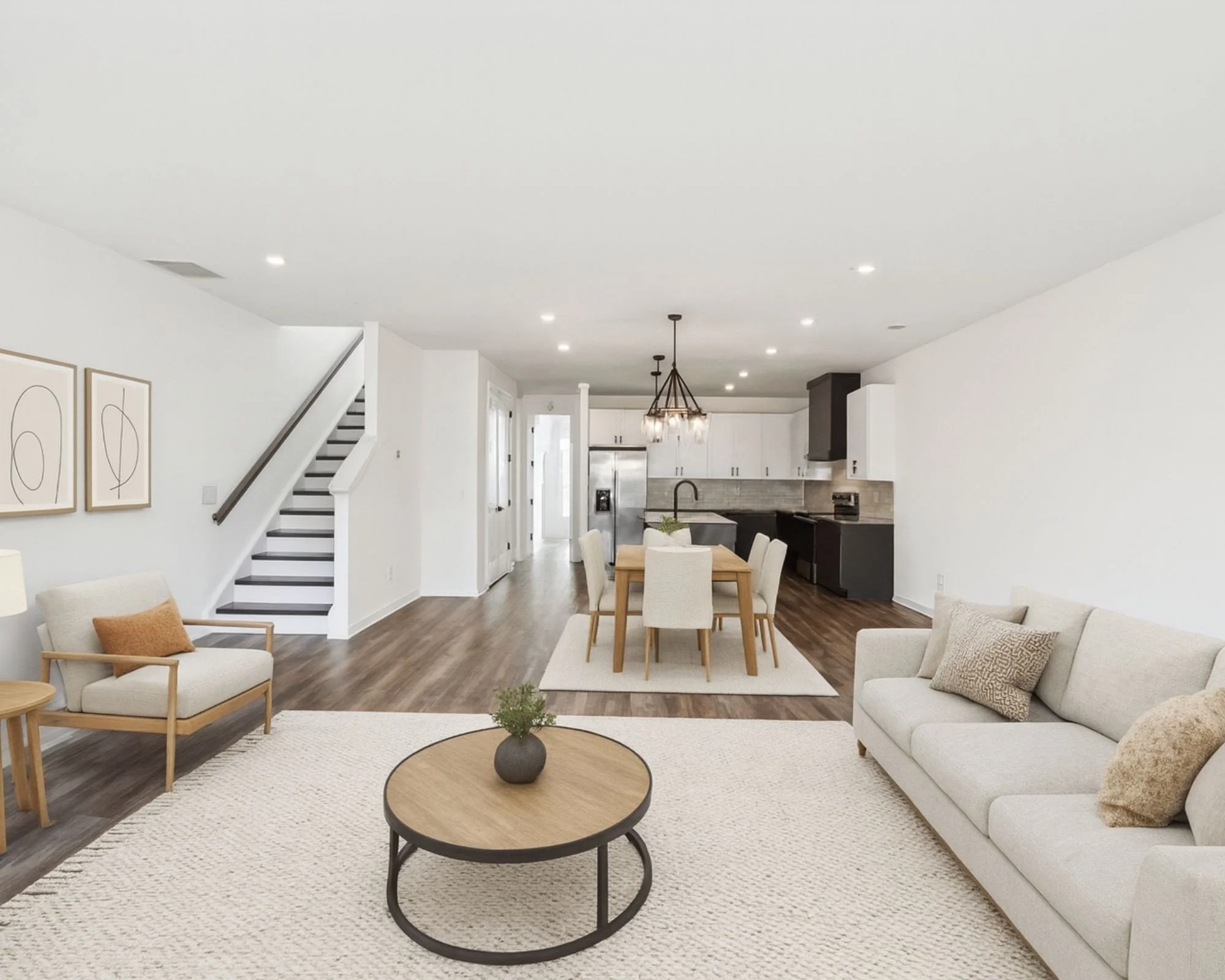
Virtually staging empty rooms with furniture
Enhancing landscaping by adding greener grass or blooming flowers
Removing personal items to help buyers focus on the space
Many of these edits simply help present the home in its best light, much like traditional photography editing has done for years.
The Benefits of AI Photography
Helping Buyers Visualize Potential
One of AI's greatest strengths is helping buyers imagine what a space could become. An empty living room can feel difficult to interpret, while a virtually staged room helps buyers understand scale, furniture placement, and functionality.
Better First Impressions
Online listing photos are often the first showing a buyer experiences. Professional editing can create bright, inviting images that encourage buyers to schedule an in-person tour.
Faster and More Cost-Effective Marketing
AI allows photographers and agents to prepare listings more efficiently while reducing the need for physical staging in some situations. This can save sellers both time and money.
Where AI Can Become Problematic
While thoughtful editing can improve presentation, AI should never change the fundamental characteristics of a property.
Misleading edits may include:
Making rooms appear significantly larger than they are
Removing permanent structures or neighboring homes
Adding views that don't exist
Digitally creating amenities such as fireplaces, pools, or built-in features
Hiding damage, defects, or maintenance issues
Altering the property's layout or floor plan
When buyers arrive expecting something different than what they saw online, trust is immediately lost.
Transparency Matters
Virtual staging and AI enhancements can be valuable marketing tools when they're used honestly.
Many real estate professionals disclose when images have been virtually staged or digitally enhanced so buyers understand what they're viewing. This creates realistic expectations while still allowing buyers to envision a home's possibilities.
Ultimately, listing photos should invite buyers to see the property—not surprise them when they arrive.
Our Approach at Happy Tara Homes
We believe every home deserves to be presented beautifully while remaining authentic.
Professional photography, thoughtful editing, and strategic marketing all play an important role in helping a home stand out. However, our goal is never to create a version of the property that doesn't exist. Instead, we focus on highlighting each home's true strengths so buyers know exactly what to expect when they walk through the front door.
Technology will continue to evolve, and AI will undoubtedly become an even larger part of real estate marketing. Used responsibly, it can be an incredible tool that helps buyers visualize a home's potential and helps sellers present their property at its absolute best.
The key isn't whether AI is used—it's how it's used. When paired with honesty, transparency, and professional guidance, AI can enhance the home-buying experience without compromising trust.